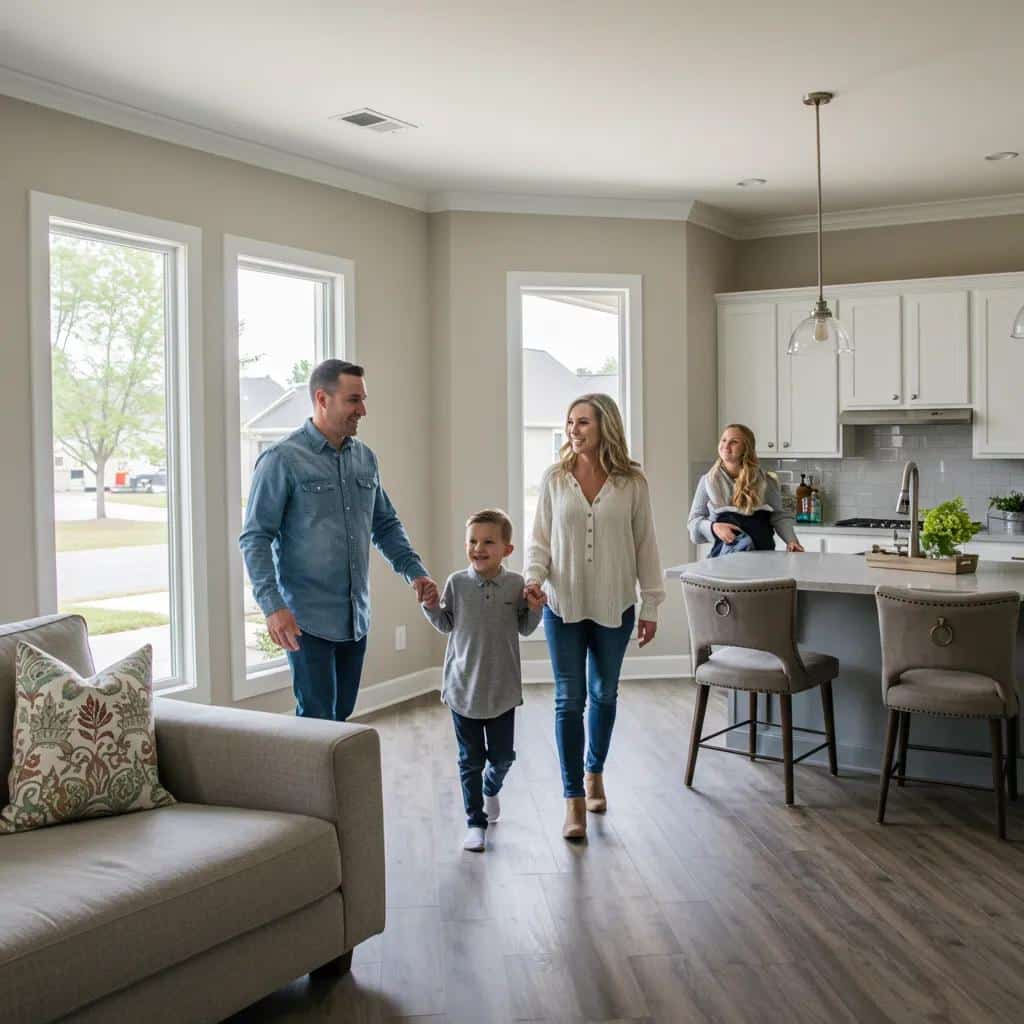
New Construction vs. Existing Homes in Lee’s Summit: Which Is Your Perfect Fit?
Choosing between a brand-new build and a charming existing home in Lee’s Summit is a big decision that touches everything from your mortgage and monthly budget to your timeline and future resale value. In this guide, we’ll break down exactly what “new construction” and “existing home” mean here in Lee’s Summit, explore the financial and lifestyle trade-offs, and show you how these choices connect to different mortgage programs and neighborhood vibes. You’ll discover the ins and outs of builder warranties, customization perks, the negotiation power of resale homes, and how property taxes, insurance, and maintenance truly impact your total cost of ownership. Plus, we’ll share a local 2025 market snapshot, point you to neighborhoods where new builds are popping up versus where historic gems shine, and offer an actionable decision checklist to help you confidently choose. And don’t worry, we’ll keep financing front-and-center, guiding you through mortgage-first steps like pre-approval and finding the right loan for your Lee’s Summit dream home.
Discover the Top Benefits of Buying a New Construction Home in Lee’s Summit
New construction homes in Lee’s Summit often come with modern systems, thoughtfully planned community amenities, and the exciting chance to personalize finishes and layouts before you even move in. Builders are integrating the latest energy codes, cutting-edge HVAC systems, superior insulation, and contemporary floorplans designed to minimize short-term maintenance and help lower your utility bills. The result? A home with fewer immediate repair worries and predictable early-care costs, which is a huge plus when you’re comparing monthly expenses to older homes. Understanding these advantages empowers you to weigh customization and warranty peace of mind against initial price points and build timelines, helping you decide where to invest your budget and which loan options make the most sense.
Buyers often fall in love with new construction for these three practical perks:
- Modern Mechanical Systems: Enjoy peace of mind with new HVAC, plumbing, and electrical systems, significantly reducing breakdown risks in the first decade.
- Customization Options: Make your home truly yours by choosing finishes, room configurations, and energy upgrades that perfectly fit your lifestyle.
- Community Amenities: Many new developments offer fantastic amenities like walking trails, sparkling pools, and HOA-managed maintenance, adding long-term convenience to your daily life.
These unique features naturally lead us to explore builder warranties and how they protect you during those crucial early years of homeownership.
How Builder Warranties and Customization Options Elevate Your New Home Experience
Builder warranties in Lee’s Summit typically feature multi-tiered structures, addressing workmanship, systems, and structural components with different coverage periods. You’ll often see limited roofing and materials coverage for the first year, systems coverage for two to five years, and longer structural warranties for major defects. Together, these layers significantly reduce your out-of-pocket risk for early issues. Customization choices—like upgraded insulation, premium windows, or higher-efficiency HVAC units—can boost your home’s appraised value, but remember they might also increase your initial financing needs if added to your loan or financed through the builder. Always verify how these upgrades are documented for appraisal purposes. Before you sign, insist on seeing the warranty language in writing, request a detailed warranty walk-through, and clarify who handles repairs during the warranty period to avoid any unwelcome surprises.
The peace of mind from warranty protections and the excitement of customization tie directly into another major benefit: energy efficiency.
Why Energy Efficiency is a Game-Changer in Lee’s Summit New Builds
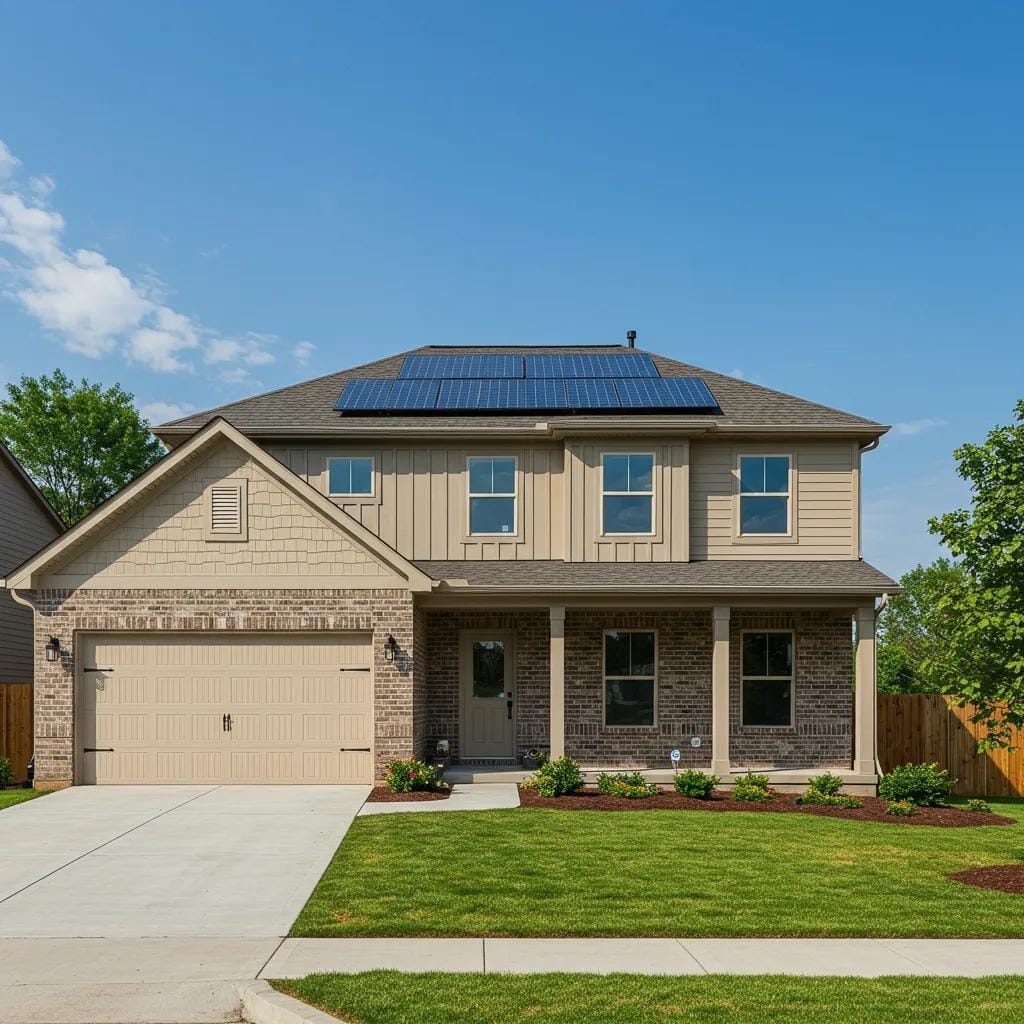
New builds in Lee’s Summit are typically designed with today’s energy codes and best practices in mind, featuring superior insulation, more efficient windows, advanced HVAC systems, and tighter building envelopes. This all adds up to significantly lower annual utility consumption compared to older homes. These energy improvements translate into tangible monthly savings and often a more comfortable living environment for you. Over time, these savings can easily offset any modest differences in the initial purchase price. Don’t hesitate to ask for builder specifications—like the R-value for insulation, SEER rating for HVAC, and window U-factor—so you can quantify your expected utility savings and compare them to estimates for existing homes. These energy-efficient features also play a growing role in appraisal and resale considerations, as local buyers increasingly prioritize homes with green credentials.
With a solid grasp of efficiency and warranties, you’re ready to compare these new-home strengths with the unique character and negotiation flexibility that existing homes offer.
Explore the Wonderful Advantages of Purchasing an Existing Home in Lee’s Summit
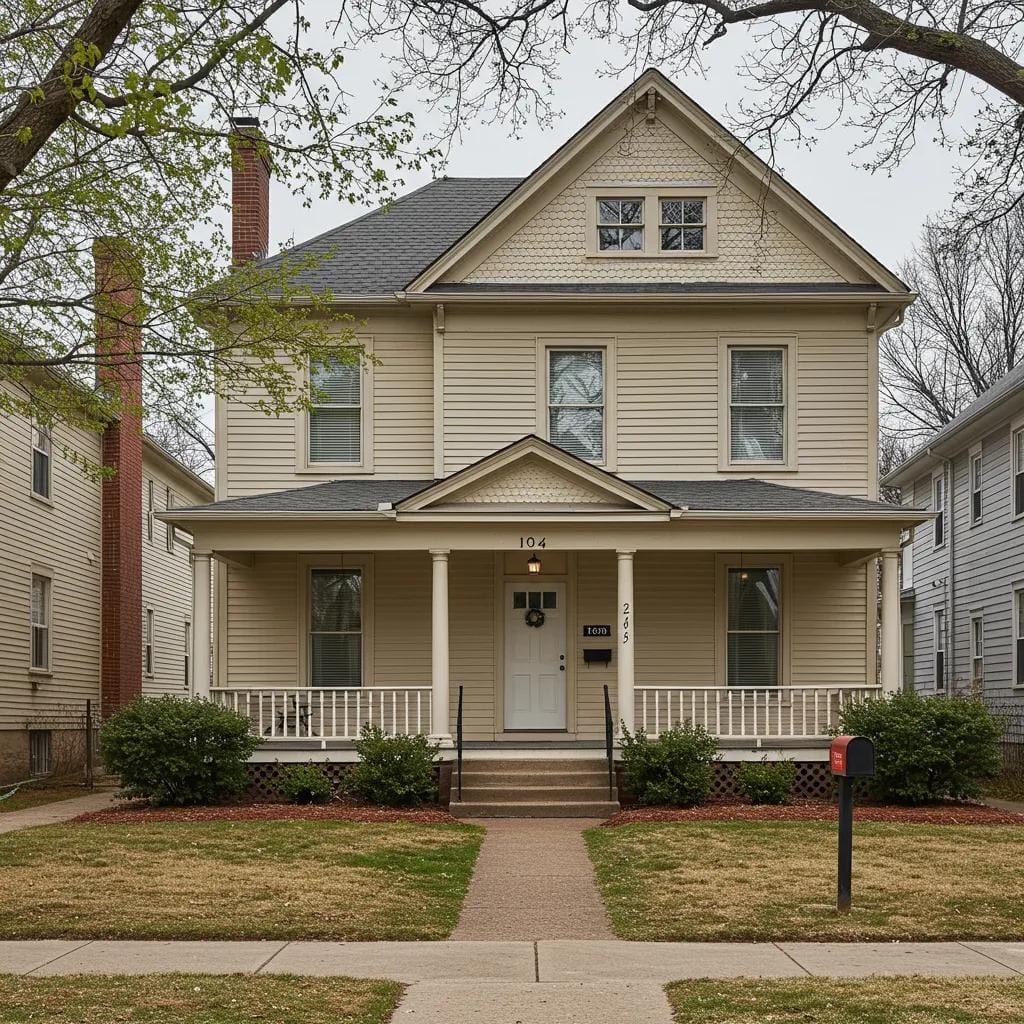
Existing homes in Lee’s Summit often boast mature landscaping, established street trees, diverse architectural styles, and neighborhoods with proven schools and amenities that new developments might take years to cultivate. The unique character and generous lot sizes found in older neighborhoods can offer intrinsic value and truly delight buyers seeking historic charm or spacious, established yards. From a practical standpoint, resale homes usually mean a faster move-in timeline and more flexibility to negotiate repairs, price, or closing dates—a huge benefit if you have specific timing needs or renovation plans. Recognizing these advantages helps you decide if a ready-made neighborhood and quicker occupancy outweigh the appeal of those zero-maintenance early years in new construction.
Buyers often choose existing homes for these four compelling reasons:
- Architectural Variety and Character: Discover unique styles and craftsmanship that are simply hard to replicate in newer subdivisions.
- Established Neighborhoods: Enjoy mature trees, trusted school zones, and local services that create immediate, vibrant lifestyle value.
- Negotiation Flexibility: Benefit from more options like repair credits, inspection contingencies, and seller concessions to tailor your deal.
- Potential for Value-Add Renovations: Seize the opportunity to build equity through smart updates or leverage renovation mortgages for bigger projects.
These practical advantages naturally lead us to how neighborhood maturity and architectural character can influence your long-term appreciation and buyer preferences.
How Established Neighborhoods and Unique Architecture Boost Your Home’s Value
Mature neighborhoods in Lee’s Summit often demonstrate stable appreciation because established landscaping, generous lot sizes, and convenient proximity to downtown amenities or top-rated schools create consistent demand among families and long-term homeowners. Architectural uniqueness—think period woodwork, distinctive rooflines, or original masonry—frequently appeals to specific buyers and can command resale premiums in certain market segments, especially near walkable areas. Lot size and a lush tree canopy contribute significantly to your home’s microclimate and curb appeal, both of which strongly influence buyer perception and appraisal comparisons. Understanding these patterns helps you prioritize location attributes against the benefits of newer systems and warranties when choosing your ideal home type.
Neighborhood characteristics and architecture tie directly into your time-to-close and negotiation dynamics, which many buyers prioritize when they need to move quickly.
Why Faster Move-In and Easier Negotiation Are Perks of Existing Homes
Resale transactions typically bypass the construction timeline uncertainties inherent in new builds, allowing for quicker inspections, financing, and closing processes. This is ideal for buyers who need to move within a specific timeframe. Sellers of existing homes are often more open to negotiating on repair costs, closing credits, or including appliances, giving you practical ways to adjust your net purchase terms without impacting build schedules or upgrade packages. Inspections on resale properties focus negotiations on specific, identified issues—like the roof, foundation, or systems—empowering you to make targeted offers or request specific remediations. When timing, certainty, and negotiation flexibility are your top priorities, choosing a well-maintained existing home can significantly reduce stress and accelerate your occupancy compared to the unknowns of construction schedules.
These differences in timeline and negotiation naturally lead us to a direct cost comparison, helping you understand the monthly and long-term financial impacts.
Comparing the Costs: New Construction vs. Existing Homes in Lee’s Summit
To truly compare costs between new construction and existing homes, you need to look beyond the sticker price. We’ll evaluate purchase price, closing costs, builder fees, upgrade financing, property taxes, insurance differences, utility bills, and maintenance expectations over several years. New builds often come with a premium purchase price and may include builder upgrade financing or add-ons that can increase your loan size. Existing homes, on the other hand, might offer lower initial prices but could require higher near-term maintenance and renovation spending. To give you a clear picture, the table below compares typical upfront and long-term cost factors for both new construction and existing homes, using common local considerations. This side-by-side view helps you weigh immediate expenses against predictable future costs.
Here’s a quick summary of major cost attributes for your comparison:
This comparison highlights that new builds can reduce early maintenance worries, while resale homes might allow for a lower initial cash outlay but require budgeting for renovations. Let’s dive deeper into upfront and closing costs next.
Understanding Upfront and Closing Costs for New vs. Existing Homes
Your upfront cash needs will differ significantly. New construction buyers often face deposits, option selections, and potential upgrade fees that can be financed by the builder or added to your mortgage. Resale buyers, however, typically focus on their down payment, inspection holdbacks, and standard closing costs. Conventional loans usually require higher down payment percentages for investment properties or jumbo financing, while FHA and VA programs can significantly lower initial cash needs for eligible buyers on resale properties. Closing cost allocation can also vary—some builders might ask you to cover certain HOA initiation fees and infrastructure charges—so it’s crucial to clarify all fee responsibilities early on. Comparing sample scenarios—like financing a spec home with a couple of upgrades versus purchasing an average renovated resale—helps you accurately estimate your escrow needs and set realistic pre-approval targets.
A clear comparison of these items empowers smarter negotiation and pre-approval planning, which leads us to how property taxes, insurance, and long-term maintenance differ between the two home types.
How Long-Term Expenses Like Property Taxes and Insurance Vary
Property taxes in Lee’s Summit are a key part of your monthly carrying costs. The median effective property tax rate for 2025 hovers near the local average, and new builds might see assessed values change as neighborhoods mature, impacting your tax bills over time. Insurance premiums often depend on your home’s age, construction materials, and systems—a newer construction’s modern roof, updated electrical, and new HVAC can often lead to lower premiums compared to an older home with original systems. Maintenance forecasts for older homes generally include cyclical major expenses—think roof replacement, foundation or siding repairs, and mechanical system upgrades—that you should factor into your monthly affordability calculations. Always request sample tax estimates, insurance quotes, and a five-year maintenance projection during your budgeting process to compare the true total cost of ownership.
To make these cost decisions actionable, our next major topic is how different mortgage programs align with each home type and your unique buyer profile.
Which Mortgage Options Are Best for Your New Construction or Existing Home in Lee’s Summit?
Choosing the right loan is crucial and depends on your home type, down payment capacity, and eligibility. Matching mortgage programs to property characteristics ensures you pursue financing that perfectly aligns with your timelines and any renovation needs. Conventional loans are versatile and fit many new and existing purchases, though they might require higher down payments for certain property types. FHA loans are a popular choice for resale homes, especially for buyers seeking lower down payment thresholds. VA loans offer incredible benefits for eligible veterans on both new and existing homes, while USDA loans may be an option for buyers in qualifying outlying Lee’s Summit areas. For those dreaming of custom builds or planning major updates to resale properties, construction-to-permanent or renovation mortgages are your go-to. Our mortgage matrix below provides a concise reference to help you match common buyer scenarios with the ideal loan attributes.
Here’s a quick loan matrix to help you make informed decisions:
This table highlights typical applicability. Next, we’ll discuss program specifics and common constraints that influence which loan is most practical for your purchase timeline and property type.
How Conventional, FHA, VA, and USDA Loans Apply to Your Home Type
Conventional loans are incredibly versatile and frequently used for both new builds and resales when you have a sufficient down payment and good credit. They support typical rate structures for both fixed- and adjustable-rate mortgages. FHA loans are often chosen for resale purchases by first-time buyers due to their lower down payment requirements and more flexible credit underwriting; however, new construction acceptance under FHA can be a bit more complex and may require additional documentation. VA loans provide powerful leverage and low-cost options for eligible service members and veterans for both new construction and resale, but remember that builders and lenders must meet specific VA requirements. USDA loans apply in specific qualifying locations near Lee’s Summit and can enable zero-down purchases for buyers meeting income limits; it’s wise to validate your eligibility early in the pre-approval process.
Understanding these program characteristics makes it much easier to evaluate local builder financing offers and incentives, which is our next focus.
What Local Incentives and Builder Financing Programs Can You Find?
Local builders often use incentives like temporary rate buydowns, design credits, or limited-time upgrade packages to boost sales. These incentives can significantly alter your effective monthly payments, even if the headline sale price seems higher. Builder financing structures might include financed options for upgrades or partner lender programs that streamline approvals. Always compare the true cost by modeling the buy-down or upgrade financing against a straightforward purchase price reduction. Some municipal or state programs may also offer assistance or tax abatement for qualifying buyers—be sure to confirm current offers with both the builder and your lender before relying on them. When builders present incentives, always request written terms and run the numbers with a trusted lender to ensure these incentives don’t inadvertently mask higher long-term costs for you.
For buyers who want personalized lending help to interpret incentives and match loan programs to their budget, here’s a brief note on local mortgage assistance.
**Molly Dean Mortgages**, operating as a mortgage banker under LeaderOne Financial with NMLS #259721, offers expert local mortgage guidance for Lee’s Summit buyers. We can match you to Conventional, FHA, VA, USDA, Jumbo, and Renovation mortgage programs. Our local focus means personalized service and competitive rates, all while helping you navigate pre-approval, builder financing nuances, and the documentation for construction or renovation loans. If you’d like help comparing an incentive like a rate buydown to alternative financing approaches, our local team can model scenarios and produce clear cost projections to inform your negotiation and purchase timing.
This practical insight transitions us to current market conditions and trends that will influence both your loan strategy and purchase timing.
What Are the Current Trends and Market Insights for Lee’s Summit Real Estate?
Lee’s Summit’s 2025 market is buzzing with an active mix of new-build communities and consistent resale demand, with median prices reflecting both new subdivision pricing and established neighborhood valuations. Inventory levels have shifted over the past year—new-construction inventory has been replenished by builder starts in certain corridors, while resale inventory fluctuates with seasonal listing patterns and mortgage-rate-driven buyer activity. Builder incentives have become more common in active subdivisions as builders manage absorption, creating valuable negotiation room on options or price for you. The table below highlights key 2025 metrics and trends to help you interpret timing and negotiating power in today’s market.
This snapshot condenses core local market indicators for your practical use:
Interpreting these metrics helps you choose whether to prioritize speed, customization, or long-term appreciation in your home search strategy.
How Median Prices and Inventory Levels Are Shifting for New and Existing Homes
Median prices for 2025 show that new-construction listings often sit above the community median due to bundled features and upgrades, while existing homes span a broader range depending on their condition and location. Days-on-market figures have eased from the tight peaks of prior years, occasionally providing you with negotiating leverage on resale properties, though move-in-ready, well-priced listings still attract rapid offers. Inventory of new builds has grown in targeted developments, creating more options for spec homes and customizable builds, but it might also introduce overlapping communities competing for the same buyer pool. Understanding these dynamics helps you decide whether to wait for market shifts, pursue builder incentives, or accelerate a resale purchase when timing is essential for you.
Which Neighborhoods Are Your Best Bet for New Construction vs. Existing Homes?
New construction in Lee’s Summit is typically concentrated in growing subdivisions and peripheral corridors where larger parcels allow for master-planned communities. In contrast, established neighborhoods closer to downtown and older school zones showcase more historic housing stock and mature landscaping. If you’re seeking modern floorplans, HOA-managed amenities, and energy-efficient systems, you’ll likely find your best matches in newer subdivisions. However, if walkability, unique character, and established tree cover are your priorities, older neighborhoods will probably appeal more. Matching neighborhood types to your buyer profile—whether you’re a family wanting school stability, empty nesters seeking low maintenance, or an investor targeting rental demand—will clarify where new construction versus resale will best meet your long-term goals. For property-specific guidance, always pair your neighborhood research with mortgage pre-approval to ensure affordability aligns with local pricing.
These neighborhood trends connect directly to a buyer-centered decision framework that follows.
How to Confidently Decide Which Home Type Is Right for You in Lee’s Summit
Choosing between new construction and an existing home ultimately comes down to a clear assessment of your timeline, budget flexibility, renovation tolerance, desired location qualities, and financing preferences. A structured decision approach—starting with mortgage pre-approval, clarifying your must-have versus nice-to-have features, and modeling total-monthly-cost scenarios—will empower you to make an evidence-based selection. Consider your comfort level with construction timelines and whether you value warranty-backed systems more than immediate neighborhood character. Below is a short checklist of targeted questions to guide your choice and align it perfectly with your mortgage planning.
Use this checklist to confidently guide your decision process:
- What is your ideal move-in timeline, and how flexible are you? Rapid occupancy often favors resale; flexible timelines can comfortably accommodate new builds.
- Do you dream of customization now, or do you value established neighborhood character? Customization points to new construction; character points to resale.
- What is your renovation tolerance and budget? Low tolerance favors new builds; higher tolerance may suit resale with renovation mortgages.
- How important are energy efficiency and lower early maintenance costs to you? Prioritize new construction for modern, efficient systems.
- Have you completed mortgage pre-approval and matched loan programs to each scenario? Pre-approval clarifies your true purchasing power and loan suitability.
Running these questions against a lender-backed projection of mortgage payments, taxes, insurance, utilities, and maintenance will clarify your trade-offs and direct your next steps toward a confident closing. Our final section explains how local mortgage expertise can smooth out this entire process for you.
What Key Questions Should You Ask Yourself as a Homebuyer?
As a homebuyer, you should prioritize questions that reveal your personal trade-offs: your timeline constraints, down payment capability, willingness to take on renovation risk, neighborhood priorities, and resale objectives. These factors will influence both your loan selection and negotiation strategies. Clarifying your financial limits early—how much you can comfortably allocate to a down payment, upgrades, and closing—will narrow down your realistic options between spec customizations and an existing home that might need renovation financing. Evaluating your life-stage factors—like school timelines, commute tolerance, and maintenance willingness—helps match the property type to your lifestyle. These introspective questions set you up for a practical and productive conversation with lenders and agents about acceptable compromises and the best financing paths forward.
How Working with a Local Mortgage Expert Simplifies Your Homebuying Journey
A local mortgage expert in Lee’s Summit streamlines your pre-approval, recommends loan programs that perfectly match your buyer profile, models your total monthly cost (including taxes and insurance), and expertly navigates builder financing and incentive comparisons to reveal the true cost of any offer. By producing concrete cost scenarios—comparing a rate buydown to a lower sale price, or financing upgrades versus using a renovation mortgage—a trusted lender helps you prioritize options that preserve your long-term affordability. Local knowledge of neighborhood price behavior, builder reputation, and specific loan constraints (for example, construction loan lead times) significantly reduces surprises. If you want personalized loan comparisons, local lenders provide tailored pre-approval and clear next steps that transform analysis into confident offers.
Molly Dean Mortgages offers personalized mortgage guidance for Lee’s Summit buyers, including seamless pre-approval, expert loan matching across Conventional, FHA, VA, USDA, Jumbo, and Renovation options, and dedicated support for interpreting builder incentives and construction loan mechanics. Our local expertise is designed to streamline your mortgage process and provide educational resources, so you can confidently compare real scenarios and move forward with peace of mind.
This final practical note connects your decision checklist to actionable lending support, clarifying your next steps for financing and purchase readiness.
Frequently Asked Questions
1. What are the long-term advantages of choosing a new construction home?
Investing in a new construction home often brings fantastic long-term advantages like lower maintenance costs, superior energy efficiency, and strong potential for appreciation in value. New builds typically feature modern systems and materials that demand less upkeep, saving you money and hassle over the years. Plus, their energy-efficient designs can lead to significantly reduced utility bills, boosting your overall affordability. As new neighborhoods grow and mature, property values often increase, offering a solid return on your investment.
2. How can I confidently assess the quality of construction in a new home?
To confidently assess the quality of construction in a new home, it’s smart to conduct thorough inspections and research the builder’s reputation. Always review the builder’s warranties, as these can be a strong indicator of their confidence in their work. Additionally, ask for details on the materials used, energy efficiency ratings, and how they comply with local building codes. Engaging a qualified home inspector to evaluate the property before your purchase can also provide invaluable insights into construction quality and help you spot any potential future issues.
3. What financing options are specifically available for new construction homes?
For new construction homes, you have several financing options, including construction-to-permanent loans, which cover the building phase and then seamlessly convert into a traditional mortgage once your home is complete. You can also consider standard mortgages, but be aware of specific requirements for new builds, such as appraisals and inspections. Many builders offer their own financing incentives, so it’s definitely beneficial to explore those. Plus, government-backed loans like FHA and VA loans can be available for eligible buyers, often providing lower down payment options.
4. How do property taxes differ between new construction and existing homes?
Property taxes for new construction homes might initially be lower, but they can increase as your home is fully assessed at its market value once completed. In contrast, existing homes typically have established tax rates based on their current market value. It’s important to consider the potential for tax increases in new developments as the neighborhood matures. We always recommend consulting local tax authorities or real estate professionals to fully understand the specific tax implications for both new and existing homes in Lee’s Summit.
5. What should I know about neighborhood dynamics when choosing between new and existing homes?
Neighborhood dynamics play a crucial role in your decision between new and existing homes. New construction often happens in developing areas with planned amenities and a fresh start, while existing homes are typically found in established neighborhoods with mature landscaping and a unique community character. You should consider factors like school quality, local services, and future development plans. Understanding a community’s growth potential and demographic trends can truly help you make informed decisions that align perfectly with your lifestyle and long-term investment goals.
6. Are there any hidden costs I should be aware of with new construction homes?
Yes, new construction homes can sometimes come with hidden costs that you should definitely be aware of. These might include additional fees for upgrades, landscaping, and homeowners association (HOA) dues. You should also factor in potential costs for utilities, property taxes, and insurance, which could differ from existing homes. It’s absolutely essential to review the builder’s contract carefully and ask about any extra charges that might pop up during or after the construction process to avoid any surprises down the line.
7. How can I effectively negotiate when purchasing an existing home?
Effective negotiation when purchasing an existing home involves thorough research and solid preparation. Start by understanding the local market conditions, including comparable sales and how long homes typically stay on the market. Presenting a strong offer based on this data can significantly strengthen your position. Additionally, being flexible with closing dates, requesting specific repairs, or negotiating for closing cost credits can create a win-win situation for both parties. Engaging a knowledgeable real estate agent can also provide invaluable insights and strategies for successful negotiations.
Your Ideal Home Awaits in Lee’s Summit
Choosing between a brand-new construction and a charming existing home in Lee’s Summit means weighing modern amenities against established neighborhood charm. Understanding the unique benefits of each option empowers you to make informed decisions that perfectly align with your lifestyle and financial goals. For personalized guidance tailored to your unique situation, we encourage you to reach out to a local mortgage expert. Explore our resources to help you confidently navigate this important choice and find your ideal home today!
Conclusion
Deciding between new construction and existing homes in Lee’s Summit offers distinct advantages that cater to various lifestyles and financial goals. By understanding the benefits of modern amenities versus the charm of established neighborhoods, you can make a well-informed choice that suits your needs. For tailored assistance in navigating your options and securing the right financing, consider reaching out to a local mortgage expert. Explore our resources today to take the next step toward finding your ideal home!