
Mortgage Closing Costs Explained: What They Are and What to Expect
Closing costs are the one-time fees and prepaid items that complete a mortgage — everything from lender charges to third-party services and initial escrow deposits. They affect how much cash you need at closing and, in some cases, the short-term make-up of your monthly mortgage payment. This guide walks through the common fee categories (origination, title and recording, appraisal, taxes, insurance), explains how escrow deposits are calculated, and offers Missouri-specific numbers so local buyers can plan realistically. You’ll also find practical ways to lower or shift costs, a simple closing-day checklist, and step-by-step budget examples showing how these fees affect both upfront cash and ongoing affordability. By the end, you’ll know typical fee ranges, options to negotiate or finance costs, and exactly what documents and funds you’ll need to close without surprises.
This resource is produced by a local mortgage team that helps homebuyers and homeowners in Missouri understand loan options, get pre-approved, and make confident decisions about buying or refinancing. Our local knowledge clarifies which factors drive costs in Missouri and suggests realistic ways to reduce or finance closing expenses. We focus on clear education first and practical help second — so you can read a loan estimate or closing disclosure with confidence. If you want county-level numbers or help preparing for closing day, we’re here to assist.
What Are Closing Costs and Which Fees Should You Expect?

Closing costs are the one-time charges tied to getting your mortgage set up and the property transferred to you. They come from three places: lender services (like underwriting and origination), third-party vendors (appraisals, title work), and prepaid items (property taxes and homeowners insurance collected into escrow). Knowing these categories helps you avoid surprises and decide whether to shop lenders, ask for seller credits, or roll allowable costs into the loan. Below are the most common fee types with short descriptions and typical ranges so you can quickly spot familiar line items on a loan estimate or closing disclosure.
Which fees commonly make up mortgage closing costs? Here are the core categories and why each exists:
- Loan origination fee: The lender’s charge for underwriting and processing — usually a percentage of the loan amount.
- Appraisal fee: Payment to an independent appraiser who confirms the home’s value for the lender.
- Title insurance and title search: Protection against past ownership issues and the cost of checking public records.
- Recording fees and transfer taxes: Government charges to record the deed and mortgage and any local transfer taxes.
The table below shows typical fee ranges to help set expectations and point out items that may be negotiable. It’s a reference — not a substitute for the loan estimate that lists fees specific to your transaction.
Use this table to flag unusually high line items on a loan estimate and to ask your lender or title company for an explanation or shopping options.
What Typical Fees Make Up Mortgage Closing Costs?
Common closing fees include appraisal, origination, title search and insurance, recording, courier and notary charges, plus prepaid items like interest, taxes, and homeowners insurance. Appraisal fees pay for the independent valuation lenders require to confirm loan-to-value; origination covers the lender’s administrative and underwriting work.
Title insurance and search fees protect both buyer and lender from title problems and usually scale with the purchase price, which is why they vary by state and county. Knowing which items are one-time closing charges versus prepaid escrow items helps you plan cash-to-close and find opportunities to negotiate or shop for better prices.
How Do Closing Costs Vary by Location and Loan Type?
Location matters because county recording fees, state transfer taxes, and local title practices differ and change totals. Loan type matters because program rules and required charges vary — FHA and VA loans have different seller contribution rules and upfront fees than conventional loans. Lender choices like discount points and rate-lock fees also change the numbers. That’s why comparing the loan estimate’s total and each line item across multiple lenders, and using local estimates, is an essential step before you sign.
How Much Are the Average Closing Costs in Missouri?
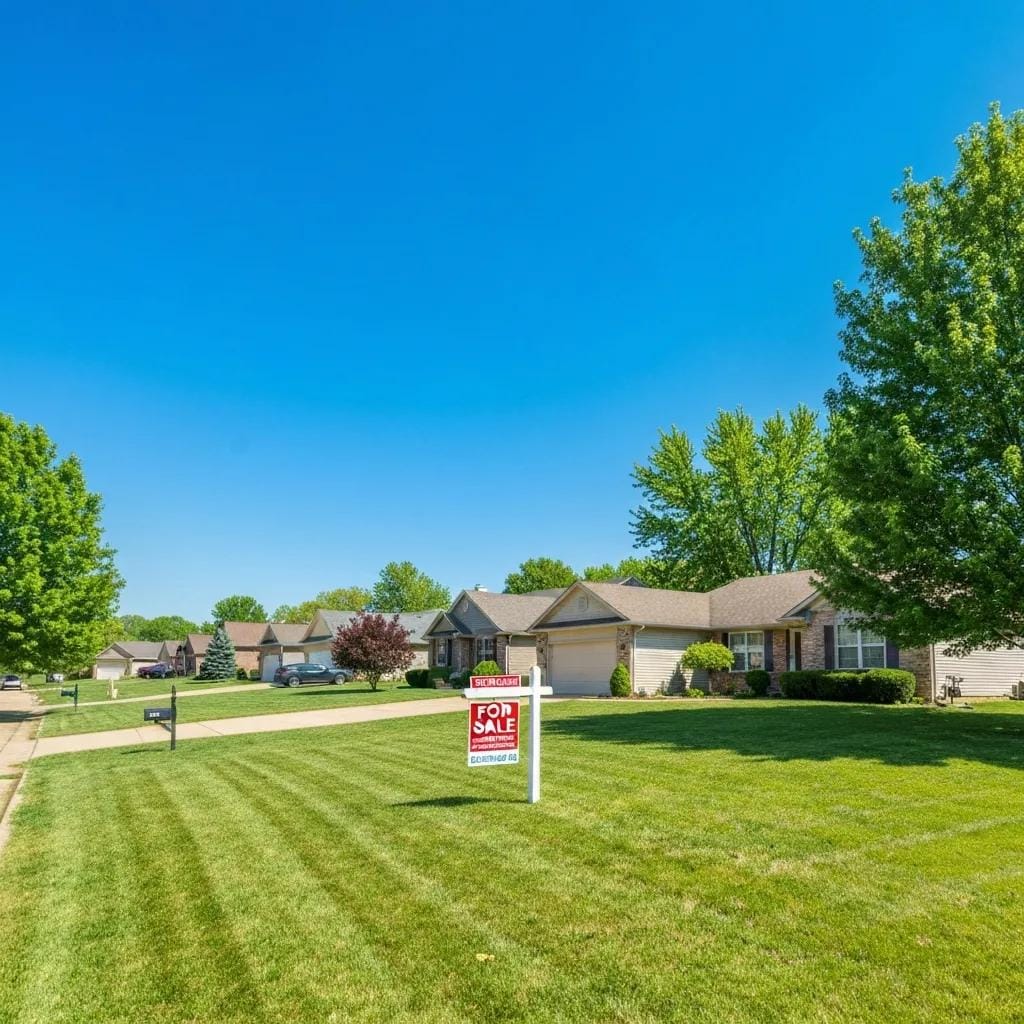
In Missouri, closing costs tend to sit in a moderate range versus national figures, often around 2%–4% of the purchase price depending on county taxes, title rates, and escrow requirements. Local drivers include county recording fees, how the state calculates title premiums, and whether sellers contribute to costs. For a typical Missouri purchase, plan for origination, title work, recording, and prepaid property taxes and insurance; refinances may have lower third-party fees but similar lender charges. The table below breaks down common Missouri items, who usually pays them, and typical local ranges to help you plan cash-to-close.
This Missouri-focused table shows how county practices and title premium rules can push your totals above or below national averages.
What Factors Influence Closing Costs in Missouri?
County recording fees, local taxes, and how title premiums are calculated across Missouri counties have the biggest impact. Higher-priced homes and transactions with complicated ownership histories can increase title and search charges. Lender policies — like how many months of taxes and insurance are collected for escrow and whether a cushion is required — also affect how much cash is due at closing. Market norms (for example, whether sellers commonly offer credits) will change who pays which lines. In short, county-level details and lender practices together determine your final out-of-pocket amount.
How Do Missouri Closing Costs Compare to National Averages?
Missouri closing costs typically fall at or slightly below national averages as a percentage of price because state transfer taxes and many county recording fees are moderate. Nationally, closing costs often range from 2%–5% of purchase price; Missouri buyers often see totals toward the lower end of that band, though high-value transactions or counties with higher title fees are exceptions. The main differences come from title premium schedules and whether the seller contributes, so get an itemized estimate from a local lender to understand how your deal compares to national benchmarks.
What Are Escrow Payments and How Do They Affect Closing Costs?
Escrow payments are the upfront deposits and monthly portions collected to cover future property taxes and homeowners insurance. They affect closing costs because lenders usually require an initial escrow deposit at closing — sometimes several months’ worth — which increases the cash-to-close. An escrow account holds prorated taxes, prepaid insurance, and any required reserve or cushion. Lenders calculate the initial escrow by prorating upcoming bills and adding a reserve, so escrow lines on the closing disclosure can sometimes be sizeable. Understanding how escrow works helps you plan both the money due at signing and your monthly payment breakdown.
To calculate escrow at closing, a lender prorates annual property taxes and the insurance premium for the period from closing until the next scheduled payment, then adds any required cushion. The result shows as part of cash-to-close and ensures taxes and insurance are paid on schedule. The example below illustrates the math.
How Are Escrow Payments Calculated at Closing?
Escrow calculations start by prorating property taxes and homeowners insurance from closing to the next billing date, then multiplying by the lender’s required initial months of escrow and adding a cushion (commonly up to two months). For example, with $2,400 in annual taxes and $1,200 in insurance, a lender collecting two months of escrow plus a one-month cushion might ask for about $800 at closing [(2,400/12 + 1,200/12) × 3], though exact numbers depend on billing cycles and proration dates. Always ask your lender for the escrow worksheet on the closing disclosure so you can verify the math.
Why Are Escrow Accounts Required During Closing?
Lenders require escrow to reduce risk — ensuring property taxes and insurance are paid protects the collateral and their interest in the home. Escrow also simplifies budgeting by folding these bills into your monthly mortgage payment. Some loan programs or high-LTV loans mandate escrow; other conventional loans may allow waivers for a fee or higher rate. The tradeoff is predictability for homeowners versus a larger cash-to-close when initial escrow deposits are required. Understanding these tradeoffs helps you compare loan offers that collect different amounts at closing.
How To Lower Closing Costs: Tips and Strategies for Buyers
You can lower or shift closing costs by negotiating seller credits, shopping multiple lenders for better origination and title fees, or trading rate versus points (for example, taking a small rate increase for lender credits). Comparing lender estimates highlights differences in origination charges, discount points, and lender credits that change either your immediate cash needs or the loan’s long-term cost. Another option is asking sellers to contribute to closing costs in the purchase contract. Below are straightforward tactics and a short list of commonly waivable fees to discuss with lenders and sellers.
- Shop multiple lender estimates: Look at total closing costs, not only the interest rate.
- Request seller credits: Ask the seller to cover part of your closing costs in the purchase agreement.
- Ask for lender credits: Accept a slightly higher rate in exchange for credits that offset upfront fees.
These approaches help you weigh lower upfront cash against long-term interest costs and choose the best path for your budget.
What Negotiation Tactics Can Reduce Closing Fees?
Useful negotiation tactics include sharing multiple lender estimates with your agent and seller, asking for seller-paid closing costs in the purchase offer, and comparing lender credit offers that offset origination fees for a small rate change. A common trade is a $2,000 seller credit in exchange for a $2,000 higher sale price — this shifts cash-to-close without changing lender fees. Being organized (pre-approval, clear title) can also avoid rush charges. Use clear calculations to show buyers and sellers how tradeoffs affect net proceeds and monthly payments.
Which Closing Costs Are Often Waived or Reduced?
Some fees are frequently discounted or waived — application fees, courier charges, or certain lender processing fees — especially in competitive markets or when lenders include credits. Title companies may bundle or discount search and closing fees for local clients, and lenders can offer credits to cover discount points or origination charges in exchange for a higher rate. Note that program rules apply: government-backed loans limit allowable seller contributions and fee waivers. Know which charges are negotiable and which are required by law or third parties before you ask for reductions.
What Should You Include in a Closing Day Checklist?
A short closing-day checklist helps you avoid delays by making sure your ID, reviewed closing disclosure, proof of insurance, and verified funds are ready before signing. Confirm acceptable payment methods with the closing agent several days ahead — wire, cashier’s check, or certified funds are commonly required. Below are the critical documents and payments, plus brief guidance on wiring safety and the final walkthrough. A checklist reduces stress and prevents surprises that could delay possession or cause contract issues.
Essential documents and payments for closing include:
- Photo ID(s): Government-issued ID for everyone signing.
- Final Closing Disclosure: Reviewed and compared to your Loan Estimate for any changes.
- Proof of homeowners insurance: Binder or declaration page showing coverage effective on closing day.
- Funds for cash-to-close: Wire instructions or acceptable certified funds as required by the closing agent.
What Documents and Payments Are Needed on Closing Day?
Bring a government-issued photo ID, the final closing disclosure and loan documents (already reviewed), proof of homeowners insurance with the effective date, and whatever payment method the closing agent requires for cash-to-close. Certified funds or a bank wire are usually accepted; personal checks often are not. Verify wiring instructions by phone with the title or closing agent and never follow unverified email instructions to avoid fraud. Confirming everyone’s schedule and documents ahead of time reduces the chance of rescheduling and extra fees.
How Can You Ensure a Smooth Closing Process?
To keep closing on track, do a final walkthrough within 24–48 hours to confirm repairs and condition, make sure your funds are ready and only wire money after verbally confirming instructions, and review the closing disclosure line-by-line before you sign. Avoid new credit inquiries or large unexplained deposits in the days before closing — these can trigger underwriter questions. Keep lines of communication open with your lender, agent, and title company so any last-minute paperwork can be handled quickly. These steps help protect your timeline and reduce the risk of costly delays.
How Do Closing Costs Impact Your Overall Mortgage Budget?
Closing costs affect your budget in two ways: the immediate cash you need at closing and — if you finance costs — a slightly larger loan balance and higher monthly payment. Paying costs at closing avoids paying interest on them later, but it requires more cash up front. Financing closing costs lowers initial cash needs but increases principal and monthly payments. The table below summarizes which costs are one-time versus recurring and how they typically affect cash-to-close or monthly payments.
How to Calculate Total Home Purchase Costs Including Closing Fees?
To calculate total costs, start with the purchase price, subtract seller credits and any financed closing costs, then add your down payment, closing costs, and initial escrow deposits to find cash-to-close. For example: on a $300,000 purchase with 5% down ($15,000) and 3% closing costs ($9,000), expect roughly $24,000 plus prorations — unless seller or lender credits lower that total. If you finance costs or use credits, re-run the calculation for each scenario to compare long-term interest effects. This step-by-step budgeting helps you choose the most cost-effective option for your situation.
What Are Common Misconceptions About Closing Costs?
Common misconceptions include thinking closing costs are a fixed percentage of price, that the seller always pays them, or that escrow is optional in every case. In reality, costs vary by location, negotiation, and loan program. A lower interest rate can sometimes mean higher upfront discount points, and not all fees are non-negotiable — many administrative or third-party charges can be shopped or reduced. Clearing up these myths helps you set realistic expectations and make smarter funding choices.
If you’re a Missouri buyer who wants tailored closing cost estimates or pre-approval guidance, our local mortgage team can prepare county-level numbers and help organize your pre-approval documents so you enter negotiations with verified buying power and a realistic cash-to-close projection. Contact the site to request a local estimate or discuss ways to reduce upfront costs.
We’re a mortgage team that helps Missouri buyers and homeowners compare loan options, get pre-approved, and prepare for closing. Our local guidance can provide realistic closing cost estimates, explain escrow rules, and make sure you have the documents needed for a smooth closing. Getting a local estimate and pre-approval strengthens your negotiating position and reduces surprises at the table.
Frequently Asked Questions
1. What are the typical closing costs for refinancing a mortgage?
Refinances usually carry closing costs similar to a purchase — commonly 2% to 5% of the loan amount. Typical fees include origination, appraisal, title insurance, and recording fees. Some third-party costs may be lower because the property is already owned. Review the lender’s loan estimate and compare offers from multiple lenders to see the exact costs for your refinance.
2. Can closing costs be rolled into the mortgage?
Yes. Many lenders let you finance closing costs into the loan, which lowers the cash needed at closing but increases your loan balance and monthly payment. Weigh the short-term benefit of lower upfront cash against the long-term cost of paying interest on the added amount and discuss the trade-offs with your lender.
3. Are there any government programs that help with closing costs?
Yes. Several programs can assist — especially for first-time buyers. FHA and VA loans often allow seller contributions toward closing costs, and some state or local housing agencies offer grants or down payment assistance that can cover closing costs. Check Missouri-specific programs and talk with a mortgage professional to explore options that may apply to you.
4. How can I estimate my closing costs before applying for a mortgage?
As a starting point, closing costs typically range from 2% to 5% of the purchase price. You can research local fees for title insurance, appraisal, and recording, and use online calculators for rough estimates. The most accurate numbers come from a lender once you apply and receive a loan estimate that lists specific fees for your transaction.
5. What happens if I can’t afford the closing costs?
If you can’t cover closing costs, options include negotiating seller credits, financing costs into the mortgage (if allowed), or exploring local down payment assistance programs that may help with closing expenses. You can also delay the purchase to save more. Talk to your lender and agent early so you understand the choices available.
6. Are closing costs the same for all types of loans?
No. Closing costs vary by loan type. Conventional, FHA, VA, and USDA loans each have different fee structures and program rules. Lender policies, property location, and your financial profile also affect costs. Always review the loan estimate for each loan type you’re considering.
7. How can I avoid last-minute surprises on closing day?
To avoid surprises, review the final closing disclosure and compare it with your loan estimate, confirm proof of insurance and ID are ready, and do a final walkthrough to verify condition and repairs. Confirm wiring instructions by phone with the title company and avoid any major financial changes in the days before closing. Staying organized and communicating openly with your lender and agent reduces last-minute issues.
Conclusion
Knowing how closing costs work helps Missouri buyers budget, negotiate, and close with confidence. Learn the typical fees, get local estimates, and use the tactics here to lower or shift costs when possible. If you’d like personalized help or a county-level estimate, reach out to our team — we’ll walk you through the numbers and help you get prepared for a smooth closing.